























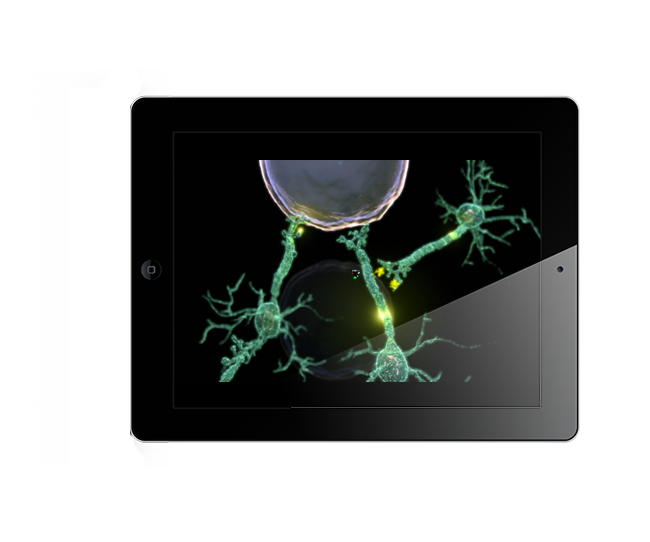









Adiposity Hormone, Leptin, Regulates Food Intake By Influencing Learning And Memory New animal research reveals mechanism that links memory and feeding behavior with leptin, a hormone released from fat cells Research presented at the Annual Meeting of the Society for the Study of Ingestive Behavior (SSIB), the foremost society for research into all aspects of eating and drinking behavior, finds that the hormone leptin reduces food intake, in part, by ac...
Brain Responses In Obesity Are More Weakly Linked To Feelings Of HungerNew research finds that the brains of overweight people are less sensitive to feelings of hunger when responding to the smell and taste of food, compared to healthy weight individuals Research presented at the Annual Meeting of the Society for the Study of Ingestive Behavior (SSIB), the foremost society for research into all aspects of eating and drinking behavior, finds tha...
One In Four Palestinian Children Goes Without BreakfastThe eating habits of children and adolescents are studied in one of the Abstracts published Online by The Lancet, with the disturbing findings that one in four children miss breakfast, one in 10 is anaemic, and one in 17 is stunted. Furthermore, 2% are underweight and 15% are either overweight or obese...
Study Links Malnutrition And Depression In Elderly Hospital PatientsOver half of malnourished patients in hospital also show signs of depression, according to a small-scale study presented today at the International Congress of the Royal College of Psychiatrists in Edinburgh. Doctors from Barnet and Chase Farm Hospitals NHS Trust in London studied 129 elderly patients who were admitted to medical wards in August 2009...
Body-Image Distortion Predicts Onset Of Unsafe Weight-Loss BehaviorsNormal weight and underweight teenage girls who falsely believe they are overweight are at significantly greater risk of succumbing to unnecessary and unsafe weight-loss behaviors than girls who can accurately assess their weight status, according to new research by a University of Illinois expert in eating disorders and body-image perception. Janet M...
Blocking Hormone Lowers Sensitivity To Sugar, Opening Door For Food Additives Or DrugsA hormone that helps to regulate blood sugar levels may also influence a person's sensitivity to sweet-tasting foods, according to a new study from researchers at the University of Maryland School of Medicine. They found that blocking the tongue's ability to respond to the hormone known as glucagon decreases the taste system's sensitivity to sweetness...
Brain's Distorted Body Model Revealed By Hand StudyOur brains contain a highly distorted model of our own bodies, according to new research by scientists at UCL (University College London). A study just published, which focussed on the brain's representation of the hand, found that our model of our bodies is out of sync with reality - with a strong tendency to think that the hands are shorter and fatter than their true shape...
Cheerleaders At Risk For Eating Disorders, Body Image IssuesCollege cheerleaders are at high risk for body image issues and eating disorders - and may be affected by how revealing their uniforms are, according to a study presented at the American College of Sports Medicine's 57th Annual Meeting in Baltimore. Toni Torres-McGehee, Ph.D., ATC, studied 136 Division-I and Division-II college cheerleaders to determine if position (base, flyer, etc...
Starved For Attention: A Radical New Vision Of MalnutritionThe international medical humanitarian organization Doctors Without Borders/Médecins Sans Frontières (MSF) and the VII Photo agency launched "Starved for Attention," a global multimedia campaign presenting a unique and new perspective of childhood malnutrition, a preventable and treatable condition that nonetheless claims the lives of millions of children each year...