


















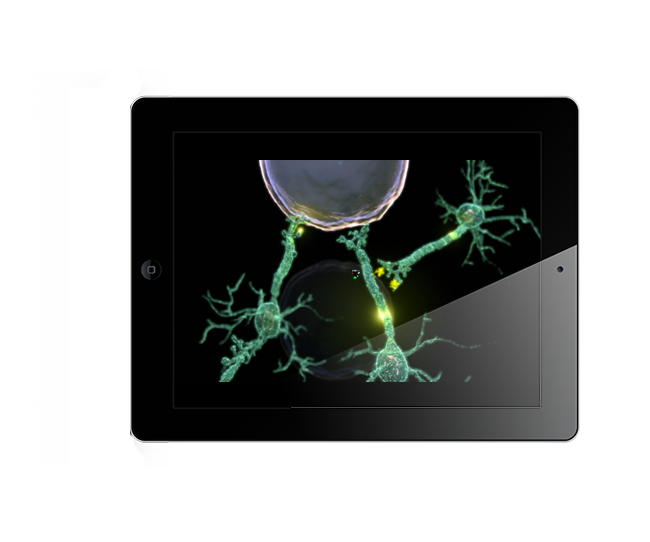








Choice Of Neurotransmitter Influenced By Electrical Activity In Developing BrainCascades of genetic signals determine which neurotransmitter a brain cell will ultimately use to communicate with other cells. Now a pair of reports from biologists at the University of California, San Diego, have shown for the first time that electrical activity in these developing neurons can alter their chemical fate - and change an animal's behavior - by tweaking this genetic program...
Study Identifies Molecular Mechanism Triggering Parkinson's DiseaseScientists at the Stanford University School of Medicine have identified a molecular pathway responsible for the death of key nerve cells whose loss causes Parkinson's disease. This discovery not only may explain how a genetic mutation linked to Parkinson's causes the cells' death, but could also open the door to new therapeutic approaches for the malady...
Protease Associated With Damage After Stroke Implicated In Huntington's ToxicityA new study reveals that an enzyme linked with multiple disorders is also involved in the generation of toxic, neuron-killing protein fragments in Huntington's disease (HD). The research, published by Cell Press in the July 29 issue of Neuron, provides insight into Huntington's pathology and proposes new therapeutic strategies for this devastating incurable disease...
Ortho Kinematics Launches Multi-Site Clinical Study Of KineGraph VMA™Ortho Kinematics, a privately held spine diagnostics company focused on revolutionizing spine motion analysis, announced today that it has begun a multi-site clinical study of the KineGraph VMA™, and that the initial 23 patients have been enrolled. The study will help determine which types of patients are best evaluated with KineGraph VMA testing...
Treating Multiple Sclerosis With Antihypertensive DrugResearchers in Heidelberg and Stanford have discovered a new signalling pathway of brain cells that explains how widely used antihypertensive drugs could keep inflammation in multiple sclerosis (MS) in check. The peptide angiotensin not only raises blood pressure but also activates the immunological messenger substance TGF beta on a previously unknown communication pathway in the brain...
Face Recognition Study May Lead To Improved Computer Face Recognition AlgorithmsA specific area in our brains is responsible for processing information about human and animal faces, both how we recognize them and how we interpret facial expressions. Now, Tel Aviv University research is exploring what makes this highly specialized part of the brain unique, a first step to finding practical applications for that information. In her "Face Lab" at Tel Aviv University, Dr...
Explore Stroke Care With Society Of Interventional Radiology's CLOTSCatheter Lysis of Thromboembolic Stroke (CLOTS)-an intensive five-day course offered by the Society of Interventional Radiology Oct. 24-28 in Dallas, Texas-provides interventional radiologists, neurointerventionalists, vascular neurologists and fellows-in-training with the unique educational opportunity to review, observe and discuss all aspects of acute stroke management...
NICE Hopes To Help People With Motor Neurone Disease Breathe More EasilyPeople with motor neurone disease could live longer and more comfortably if their respiratory problems are identified and managed more effectively. This is what NICE is hoping to achieve from its new clinical guideline on the management of non-invasive mechanical ventilation, out yesterday (28 July)...
FDA Approves Drug For Chronic Drooling In ChildrenThe U.S. Food and Drug Administration approved Cuvposa (glycopyrrolate) Oral Solution to treat chronic severe drooling caused by neurologic disorders in children ages 3 years to 16 years. Drooling is normal in infants. But a significant proportion of the developmentally disabled population experiences drooling caused primarily by neuromuscular dysfunction that makes it hard to swallow...